An international journey
The project aimed to explore how Arts can be used therapeutically to promote social inclusion and improve educational quality while avoiding discrimination. Through a series of activities, the project achieved its objectives and provided the essential conditions to build a solid foundation of equality and respect through non-verbal communication. The project’s ultimate goal was to create a more inclusive society where everyone has equal opportunities to thrive.
This educational and therapeutic project developed in Esch-sur-Alzette in Luxembourg has been a fruitful interdisciplinary effort involving the Caritas Community.
The reality of migrants and the context in which they live, including various traumas resulting from the separation of family, illegal pathways, and human trafficking, is often hidden in the way we communicate and consume media. This can create social barriers and distort reality.
The Vision
Starting to walk an intercultural journey across the diversity of borders is a commitment focused upon traveling with optimism, one foot ahead of the other, in the right direction. How do we know when we are in the right direction and on that bearing?
Walking the path in the right direction involves a unique process of engagement and exposure with those who may be different from in one way or another. This commitment is embraced by inspiring and enriching of a fertile mosaic of differences.
The kind of mental health concerns and the growing evidence that art intervention it would be fun as well as its benefits. It is a mix of visual and movement activities. In the process of constructing art, there is a conversation about oneself, one’s feelings. I was just stunned by the impact.
Arts in their multifarious states allow us not only to celebrate our cultural diversity but to learn and better understand our motivations, anxieties, aspirations, and history.
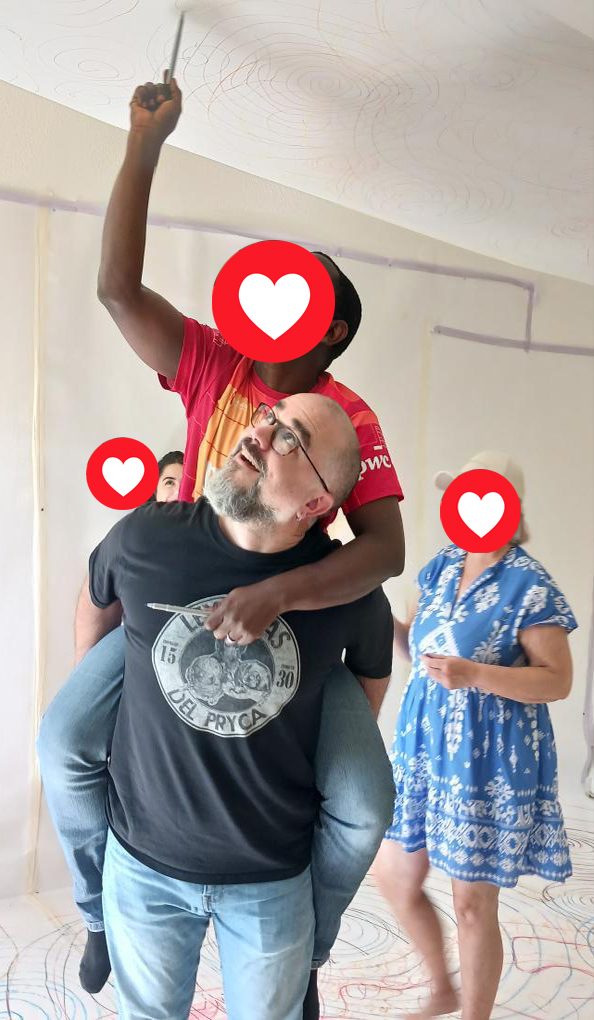
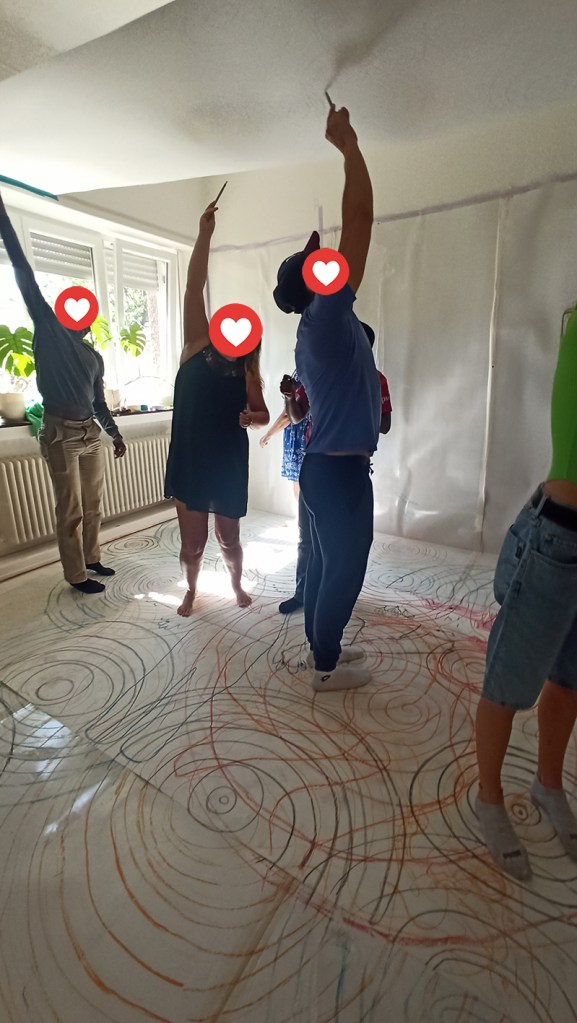
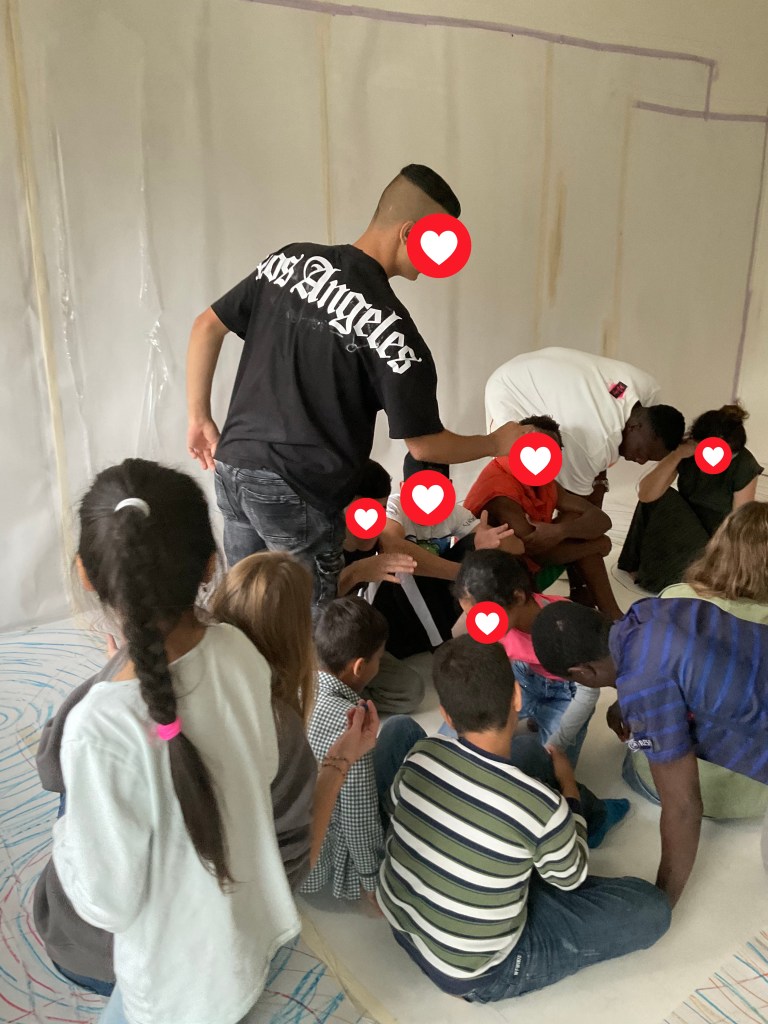
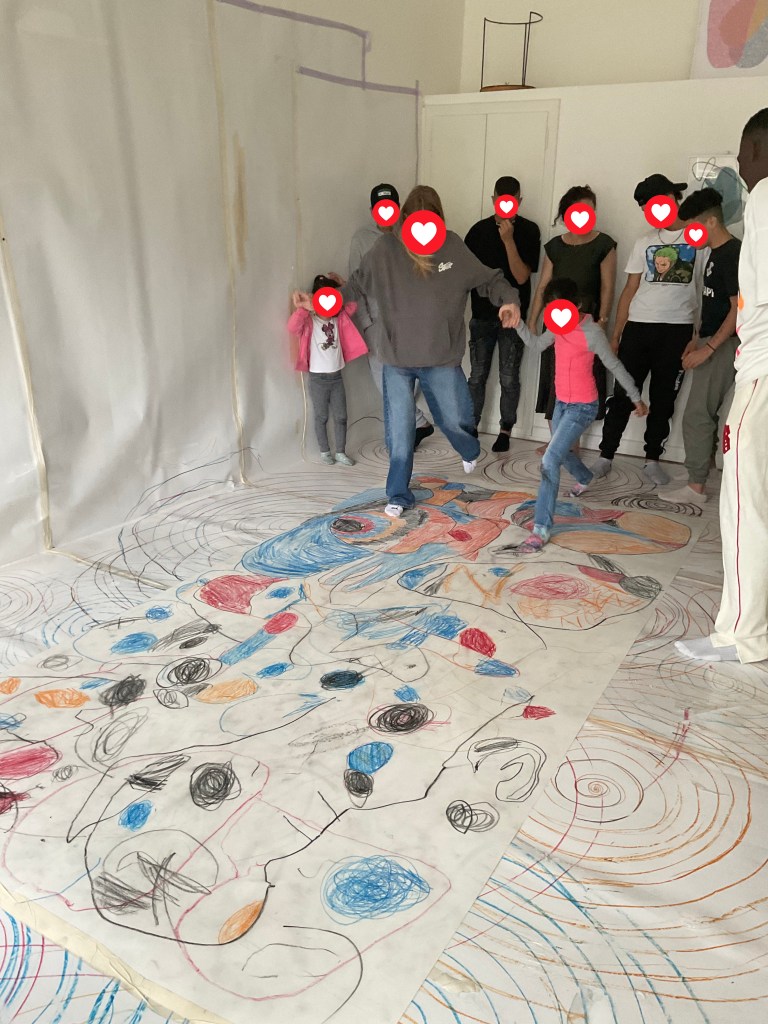
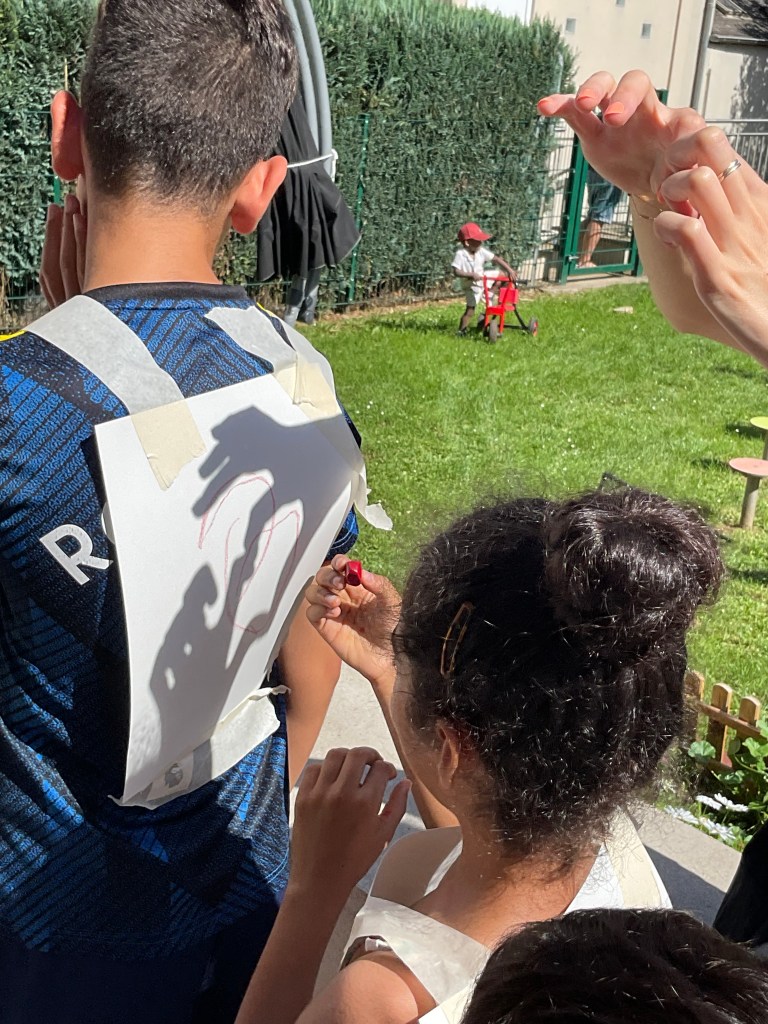
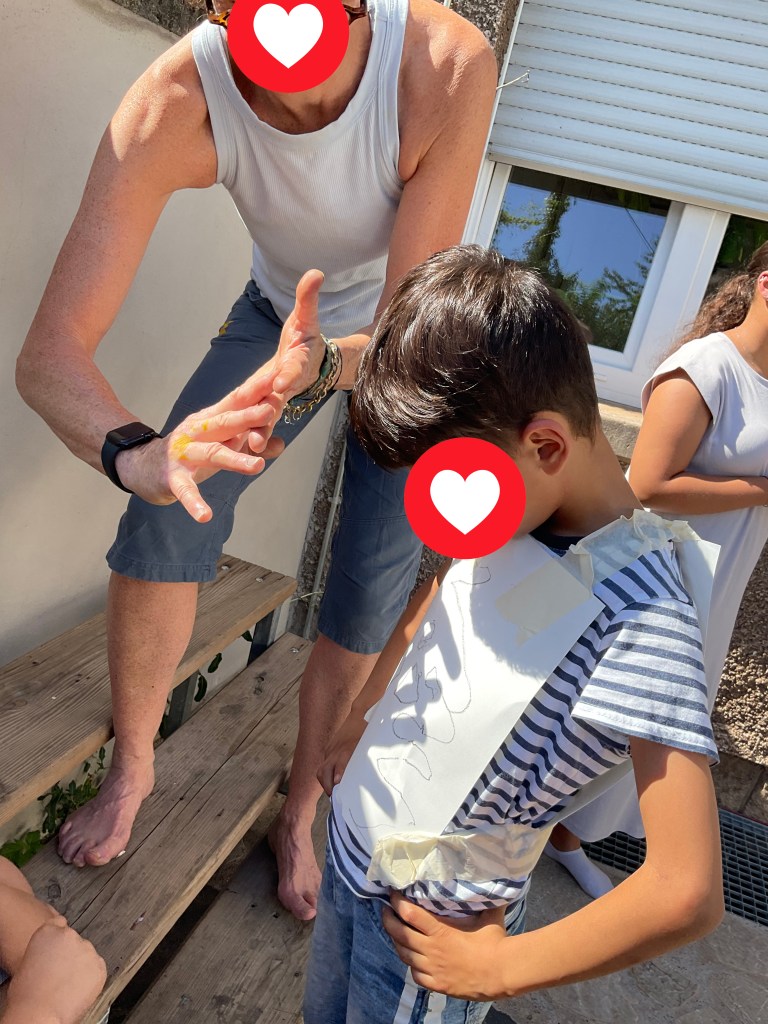
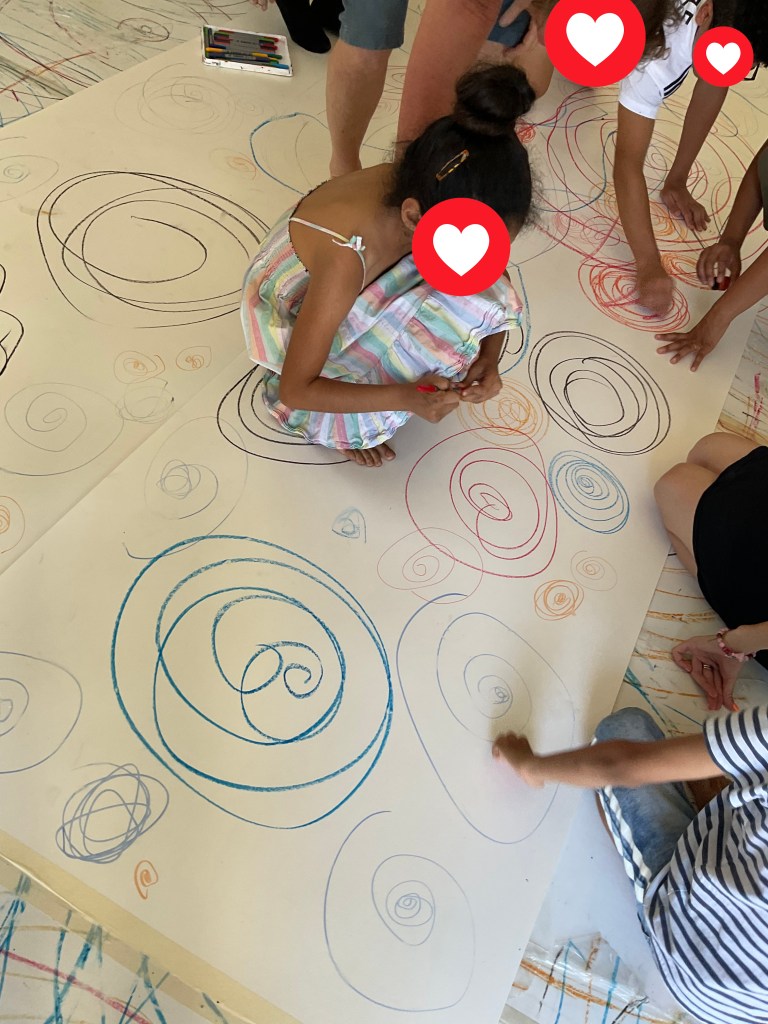
The creative practice activities provide a symbolic language through their various art forms that seek to access “unacknowledged feelings and a means of integrating them creatively into the personality, enabling meditative change to take place”. To support the maintaining of cultural identity, especially in situations where some of that identity is lost or is in conflict with the dominant culture, refugees may also be able to externalise their symbolised trauma through Arts.
Somalia, Tanzania, Ukraine, Albania, Iran, Iraq, Palestine, Colombia, Venezuela, Burundi, Eritrea, Serbia, Syria, Sudan, Belarus, Armenia, Ethiopia and Guinea are some of the countries of origin of the refugees.
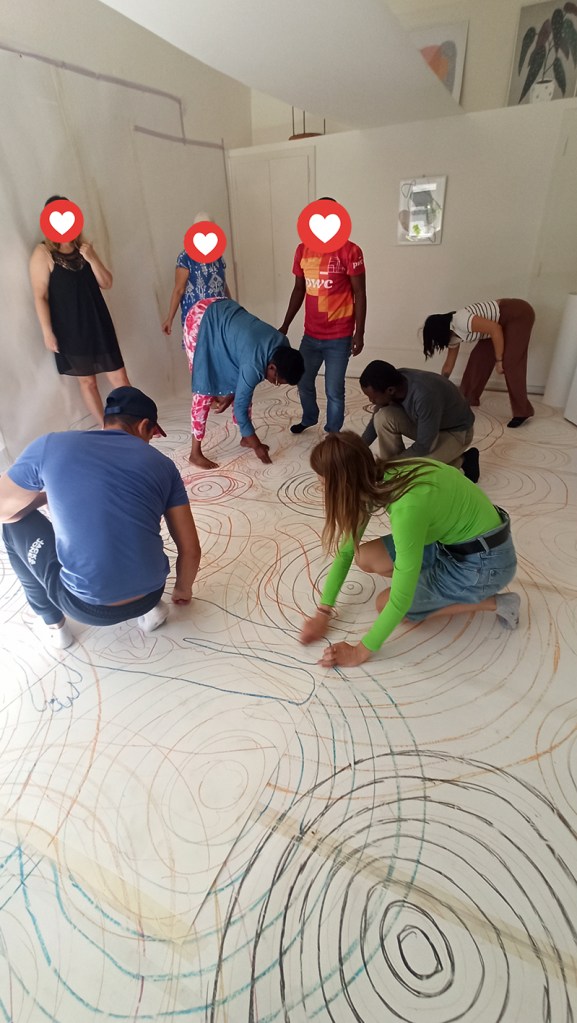
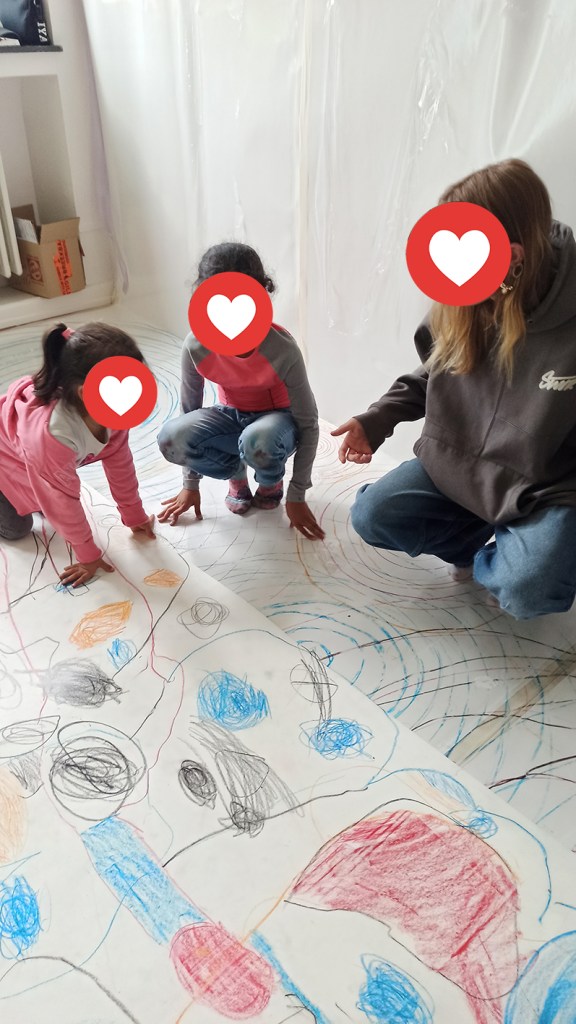
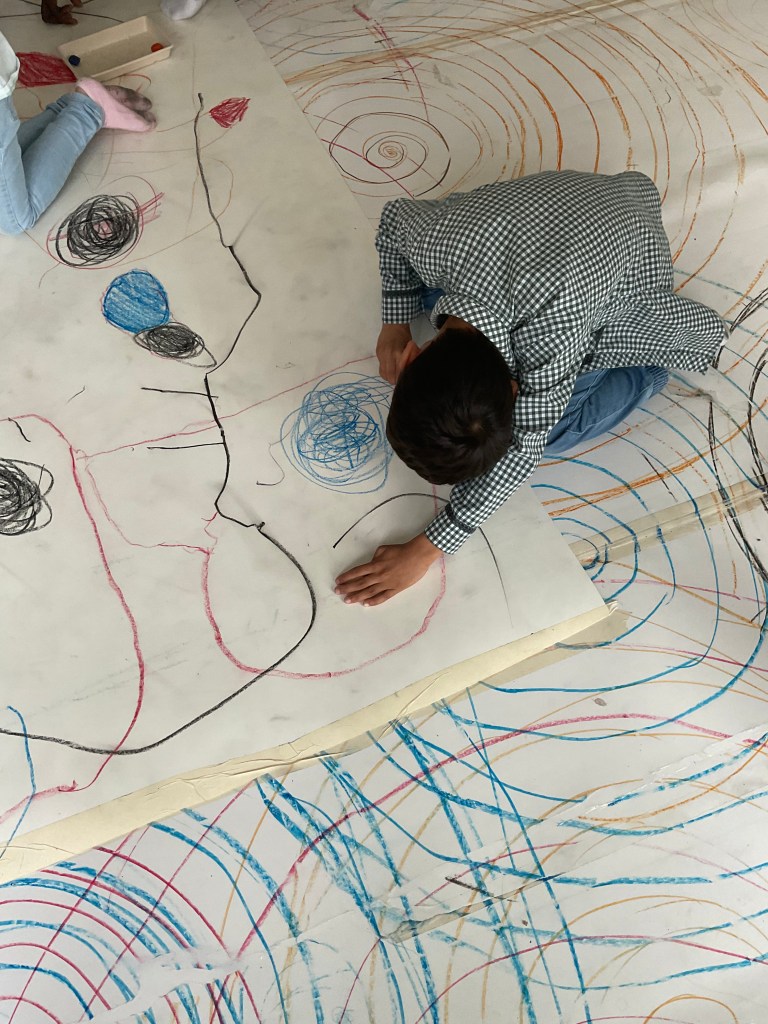
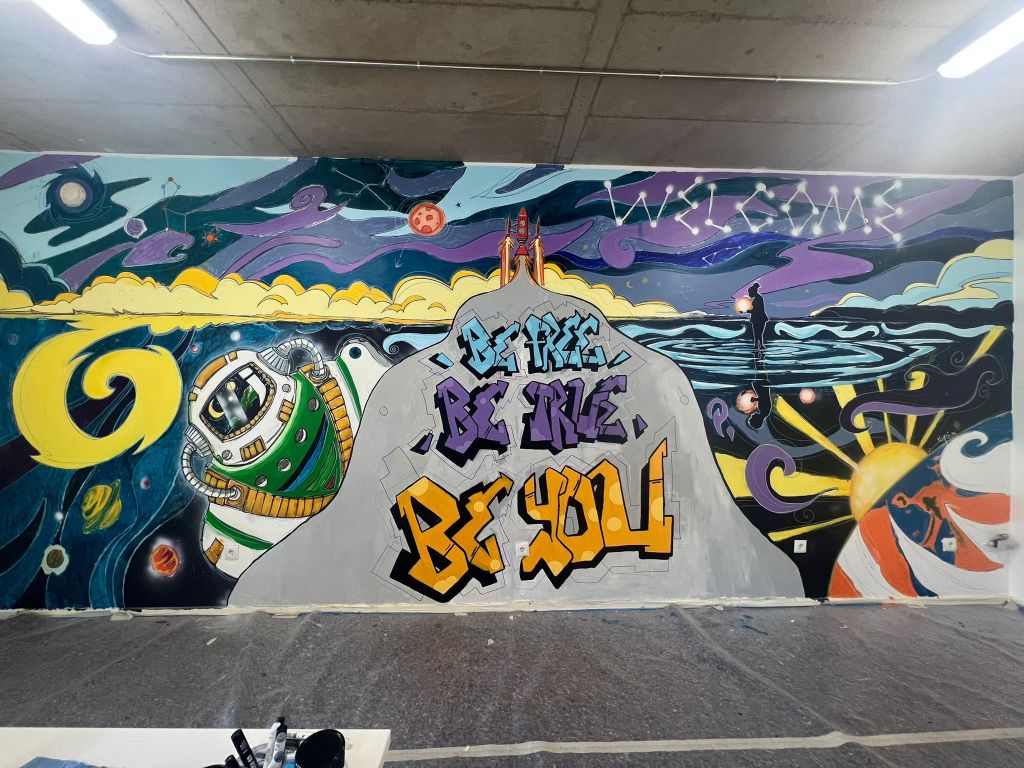
THE COLLECTIVE WALL
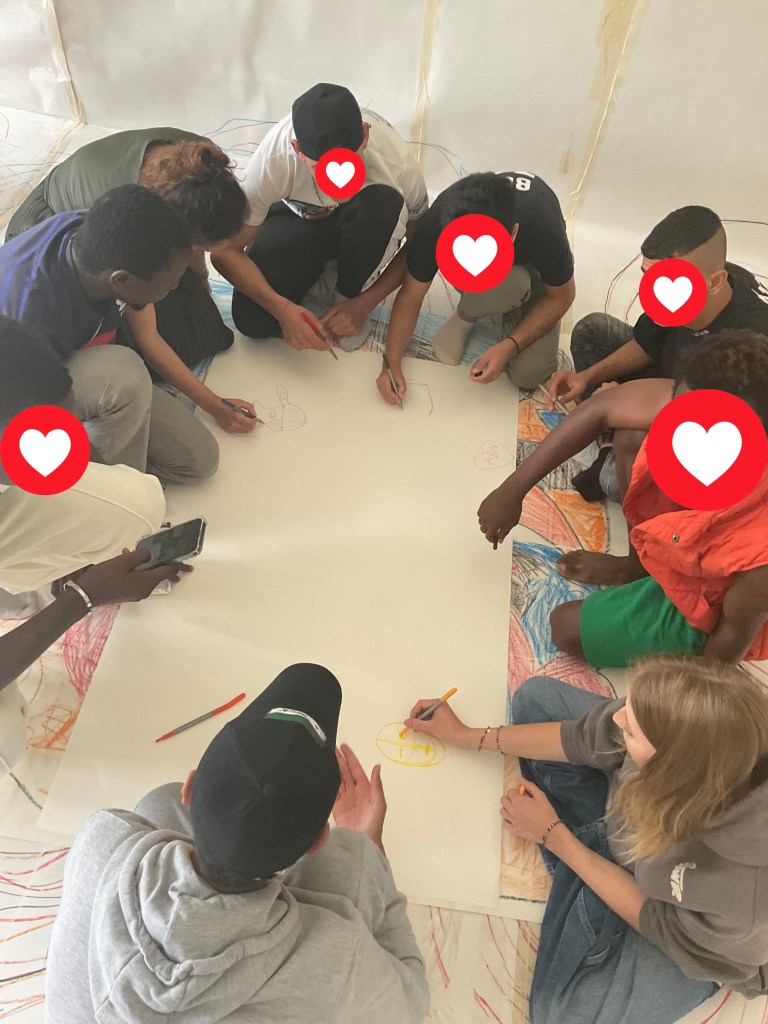
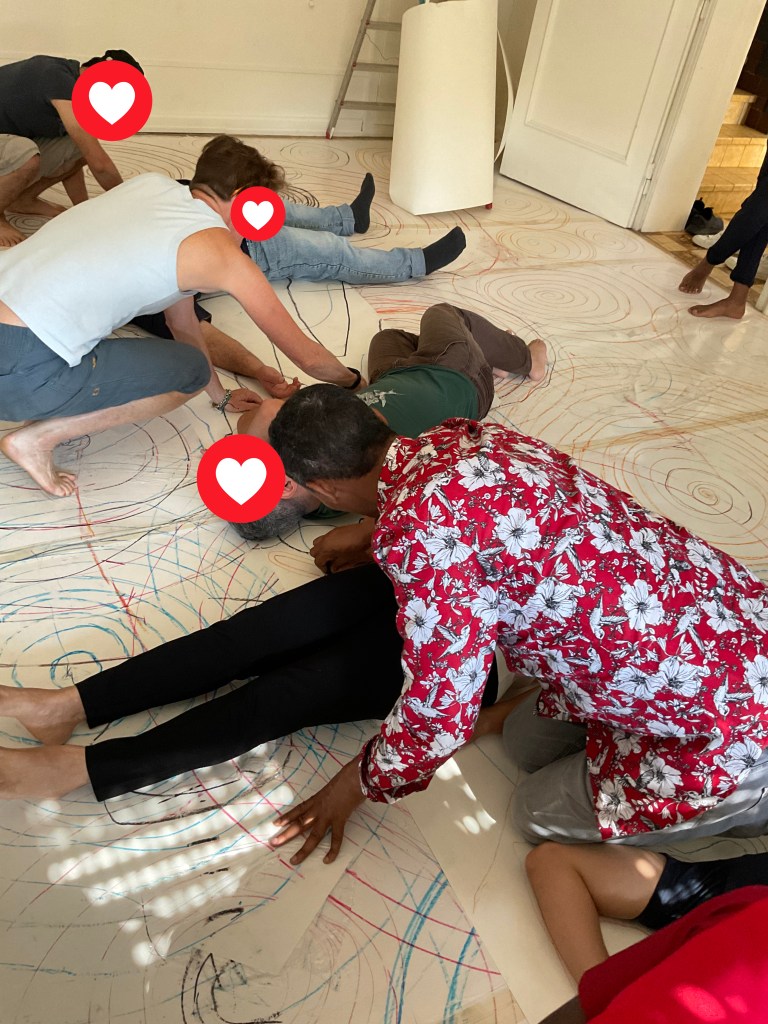
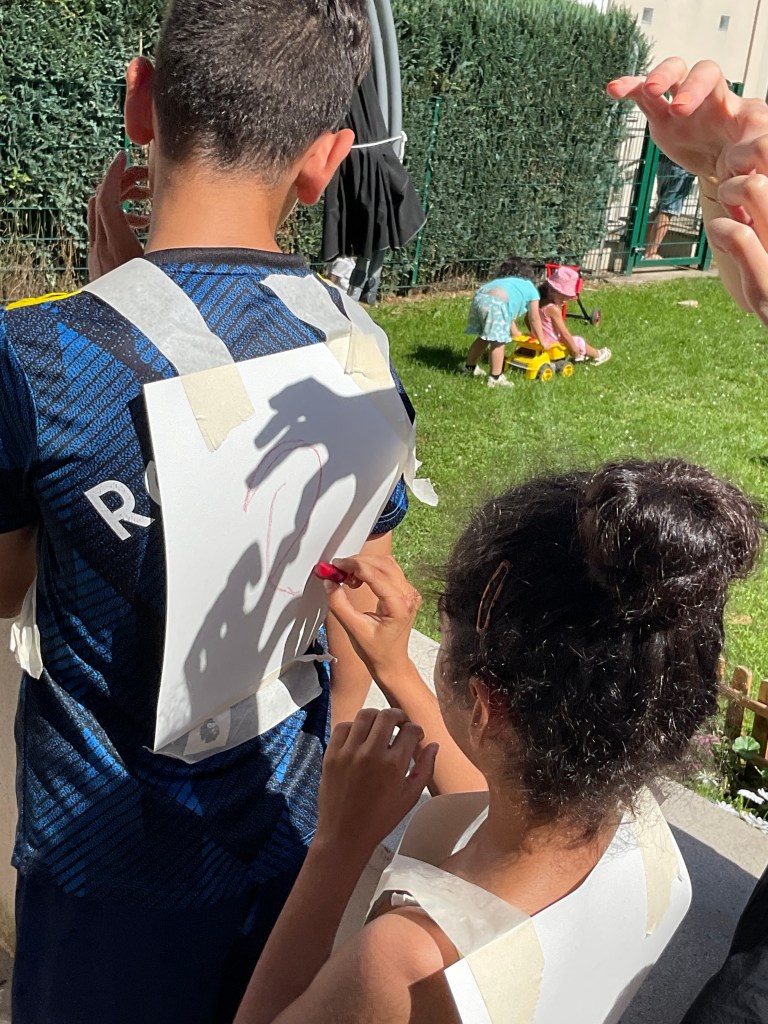
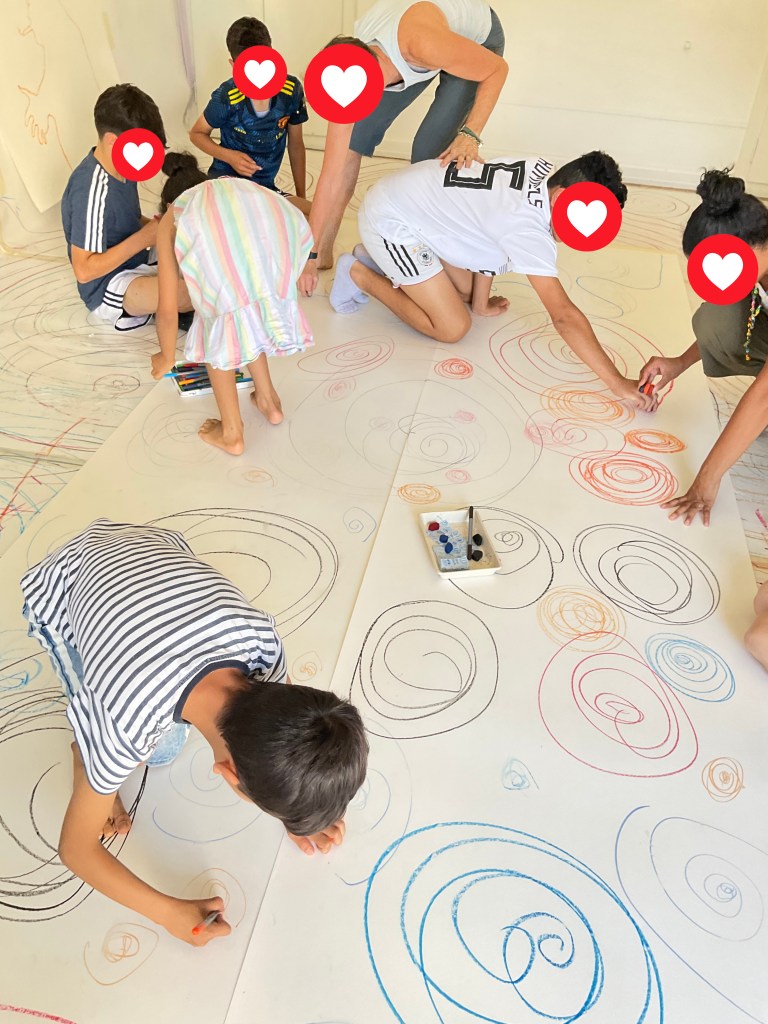
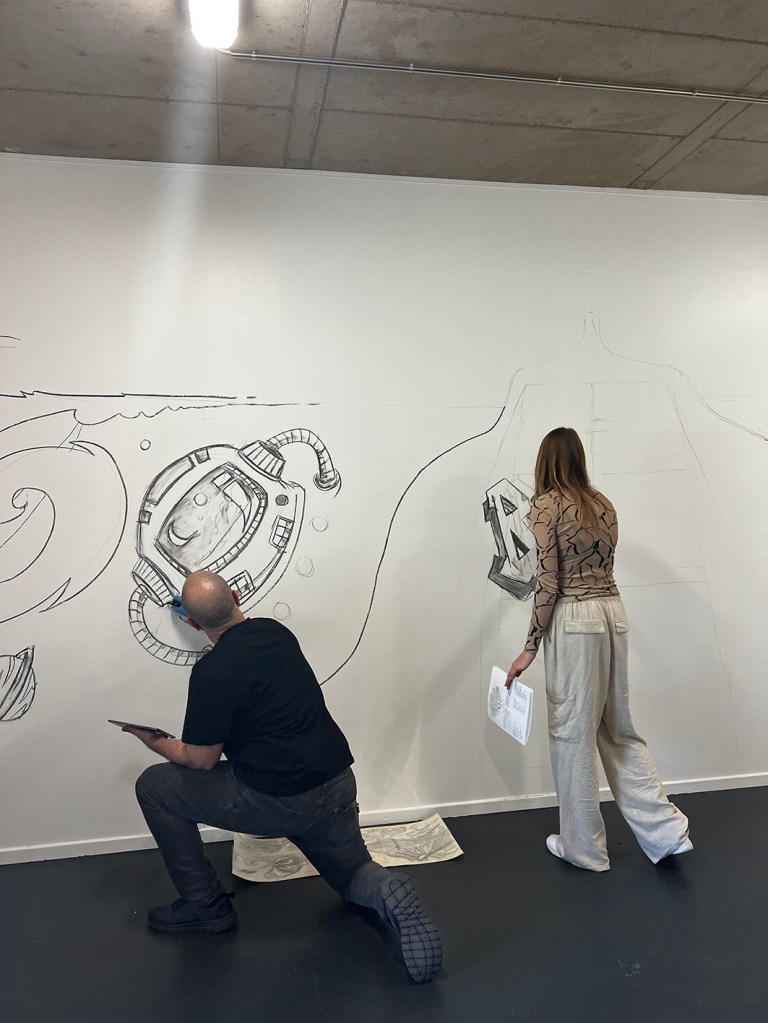
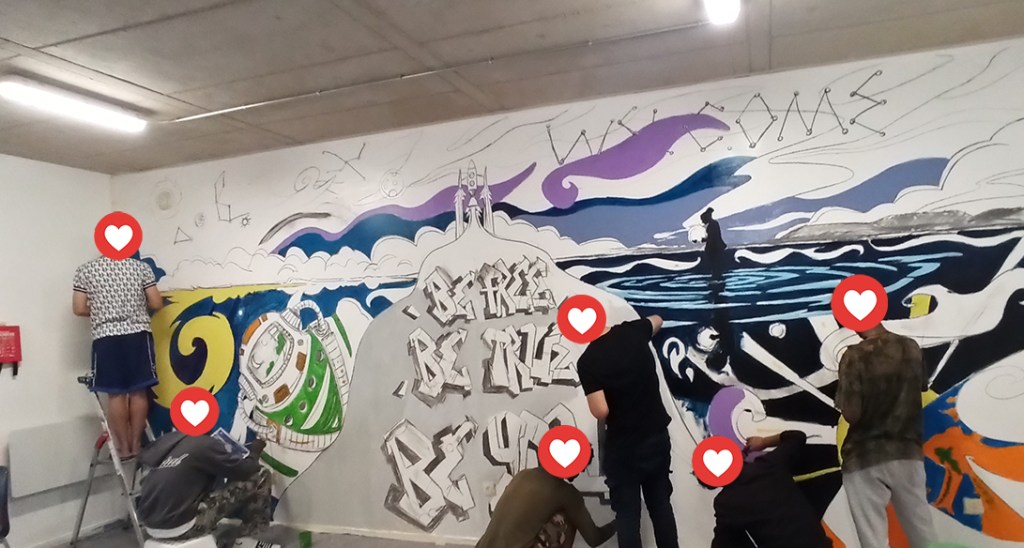
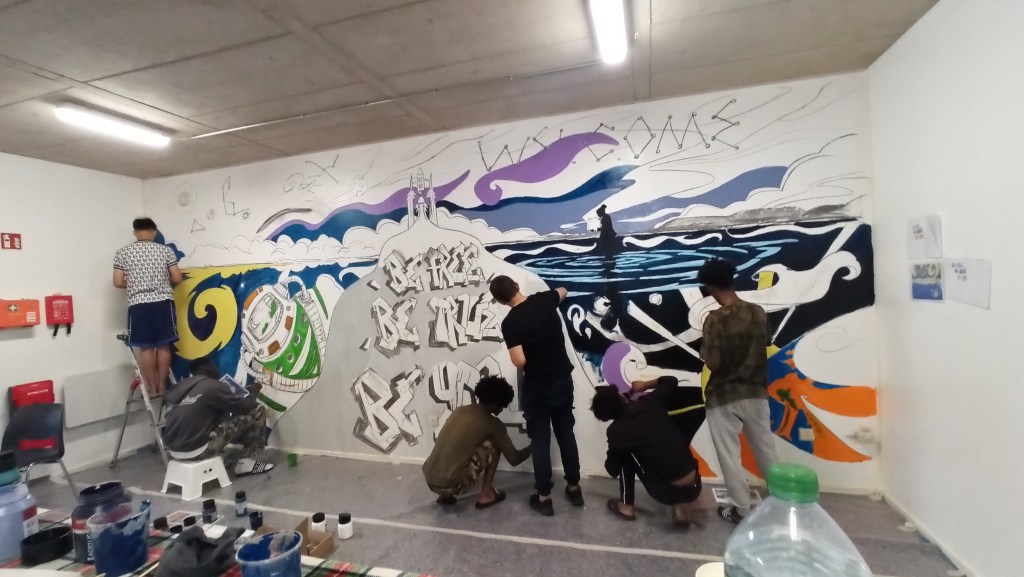
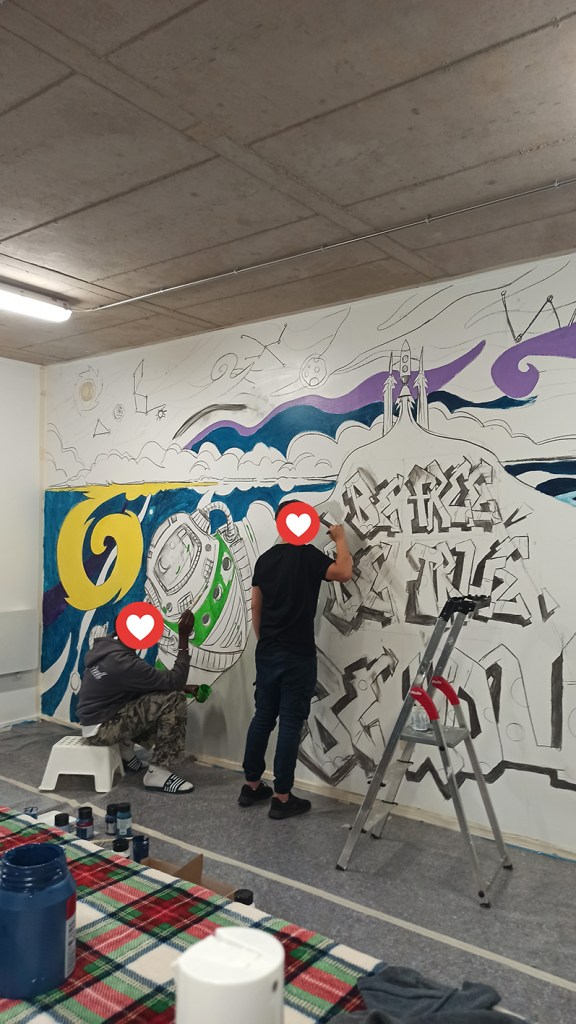
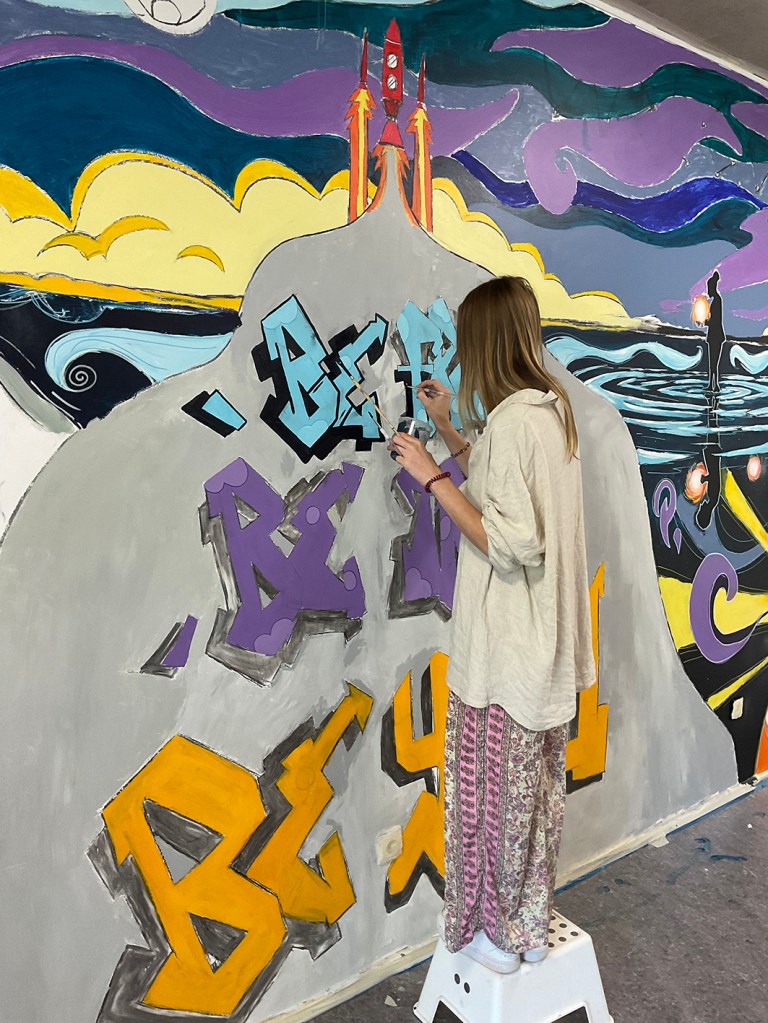
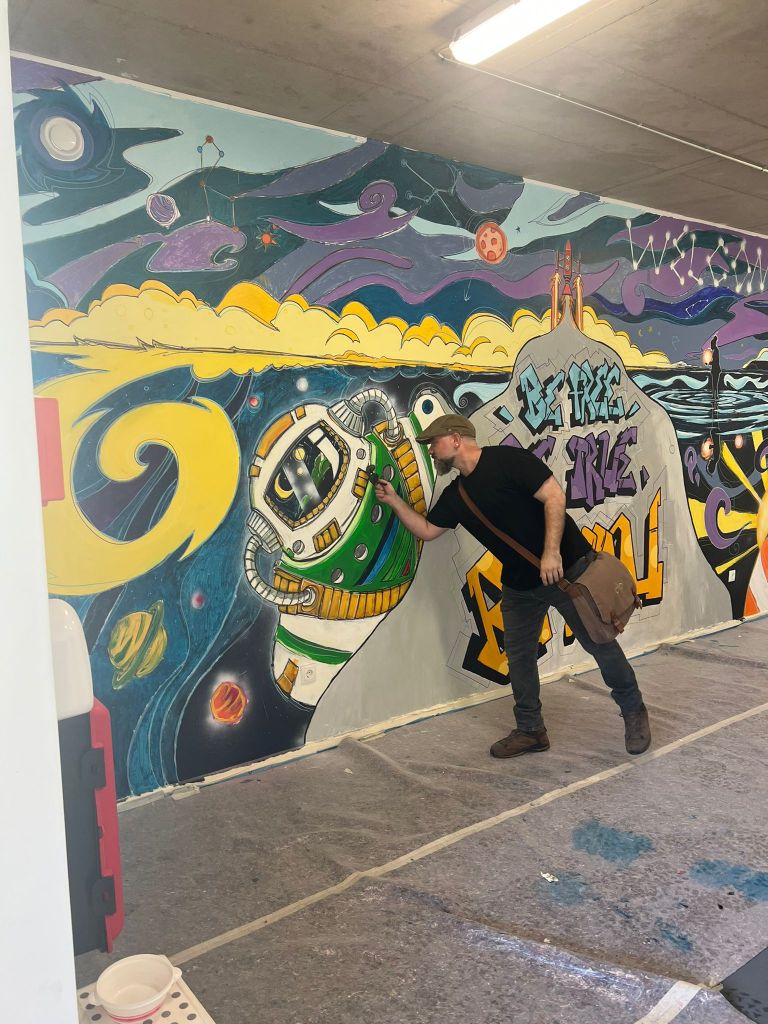
Different approaches of conceptualization and social interaction were used to develop this mini-project of great social impact. The location provides residents with multi-activity spaces and a sense of community. Initially, we asked residents about their hobbies, tastes, and other interests in a brainstorming session. Until a textual mood board was completed in words, each resident added their own words. A visual representation of the design that will be shown on the wall was then achieved by the artist Joss Lopez by transforming the words into images.
A team of volunteers, extras, and residents from the foyer assisted with the mural painting.
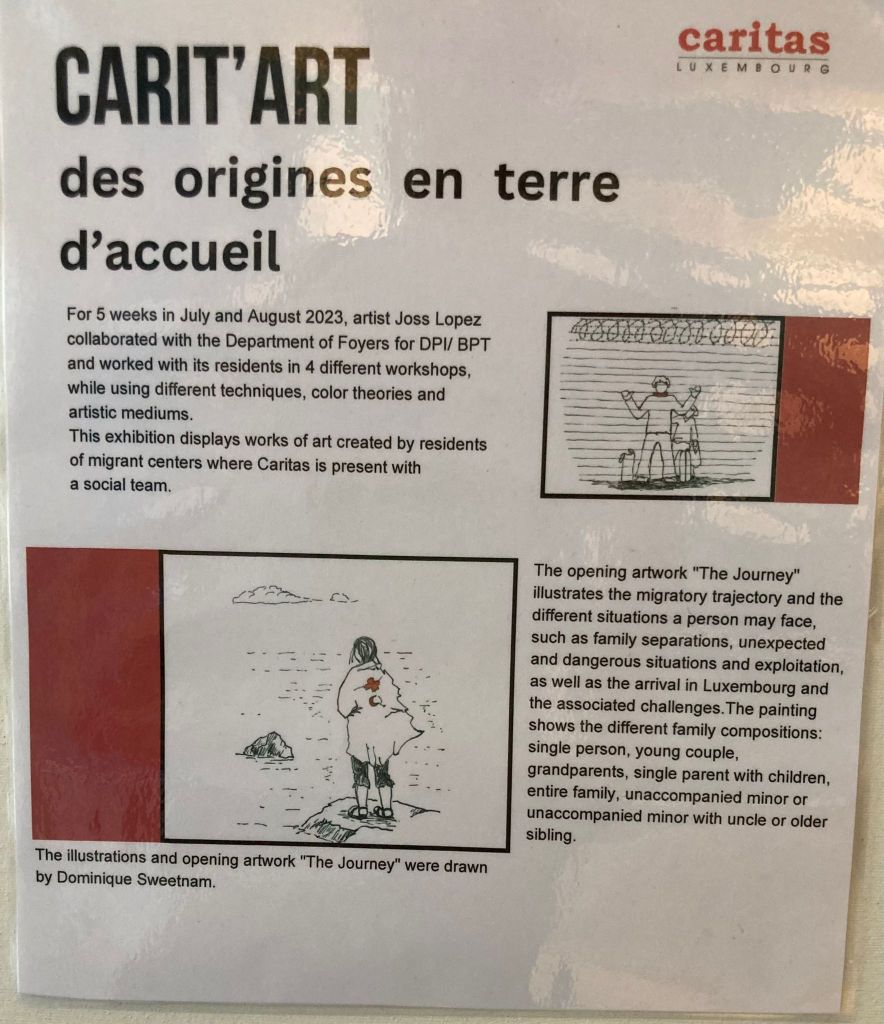
Exhibition at Kamellebuttek Art Gallery
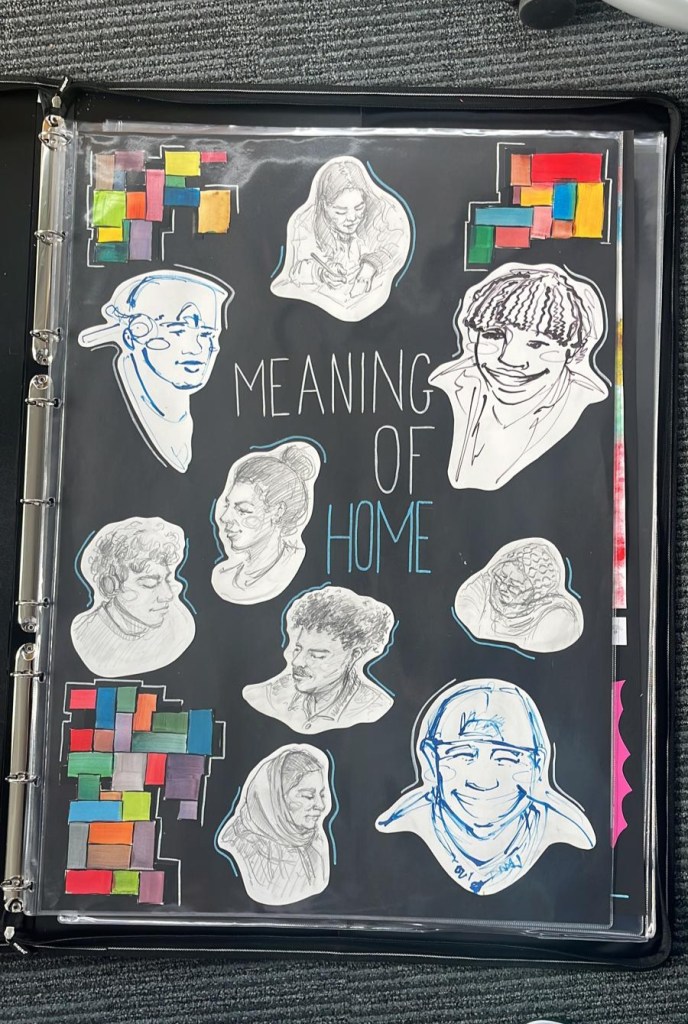
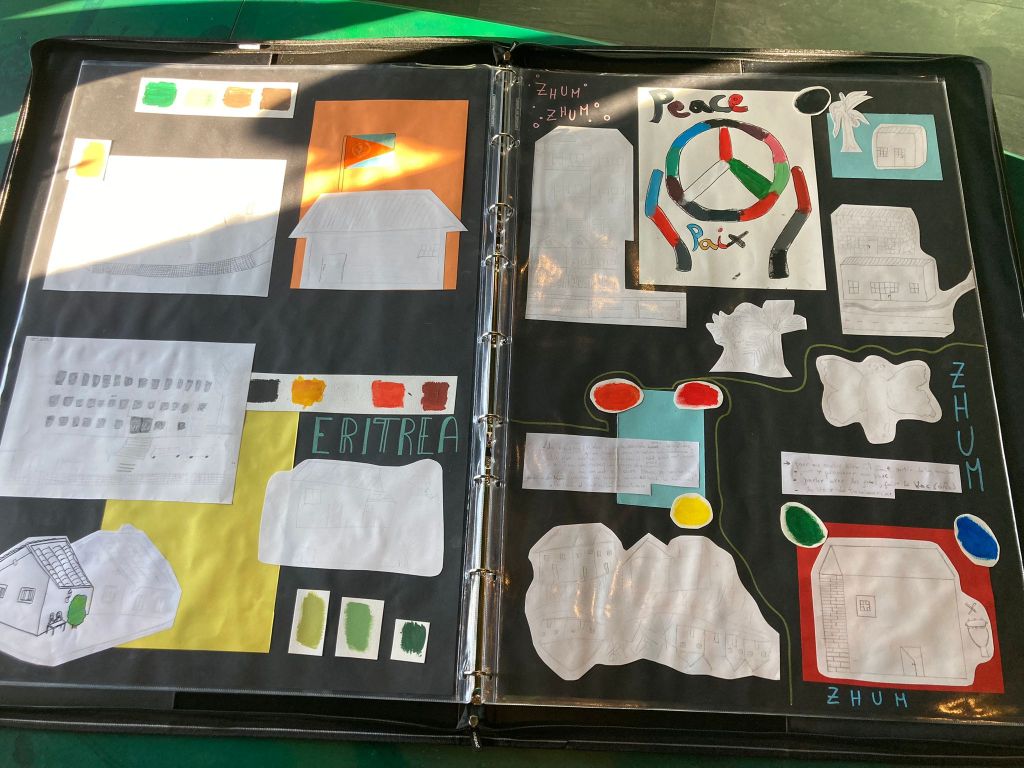
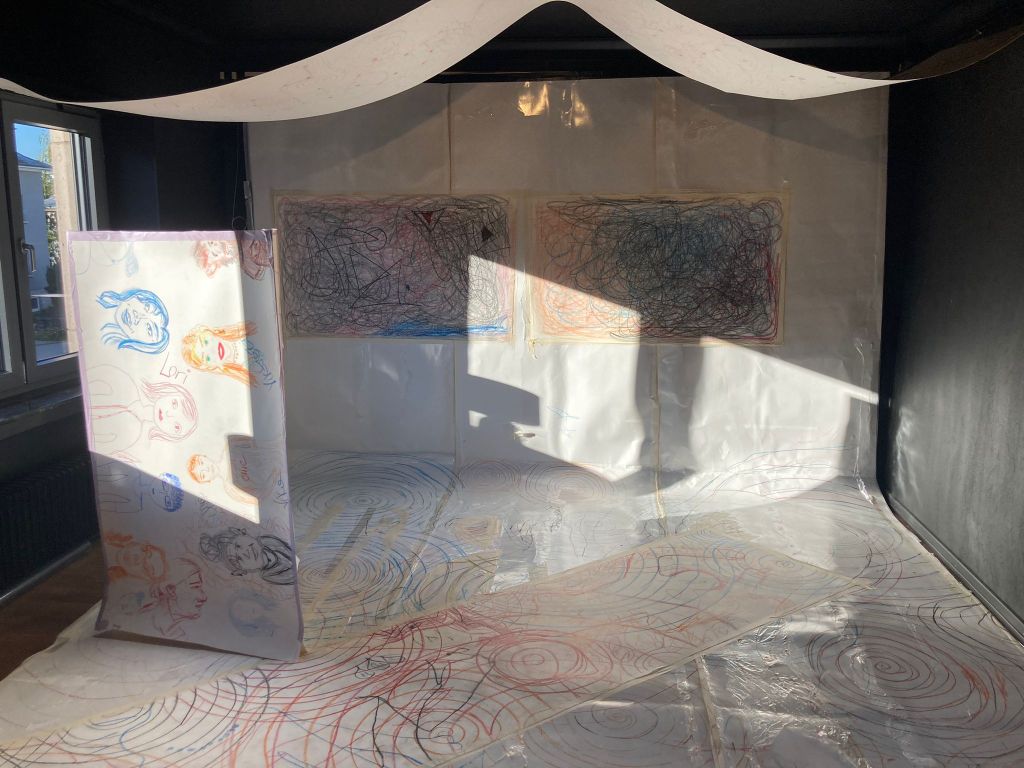
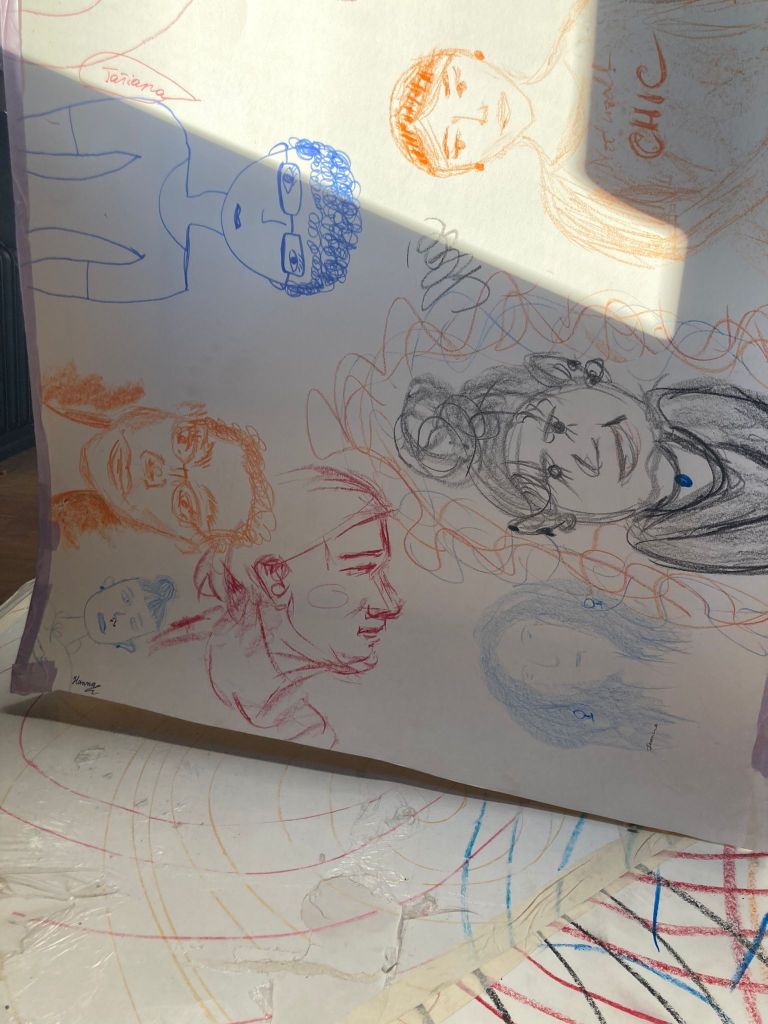
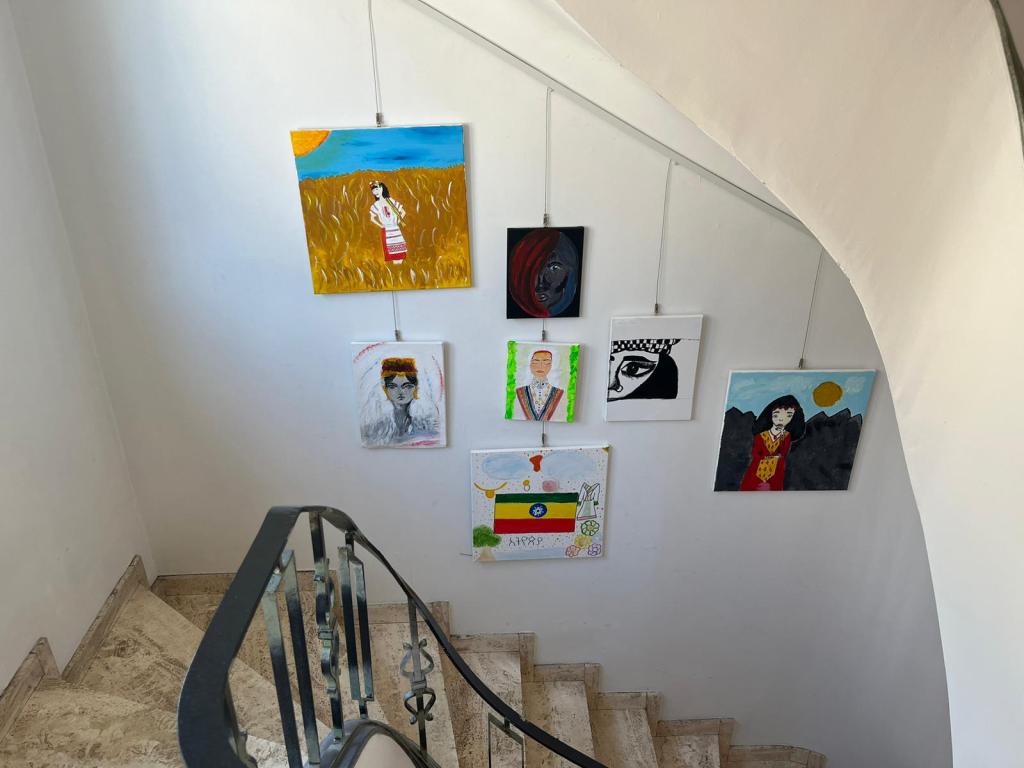
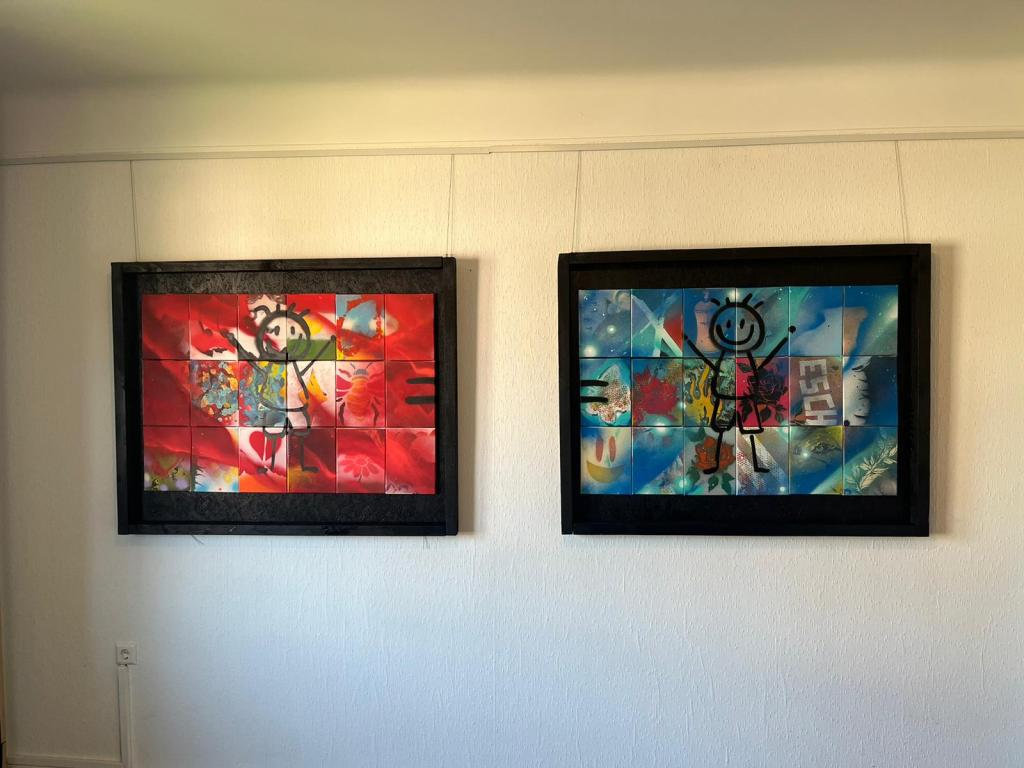
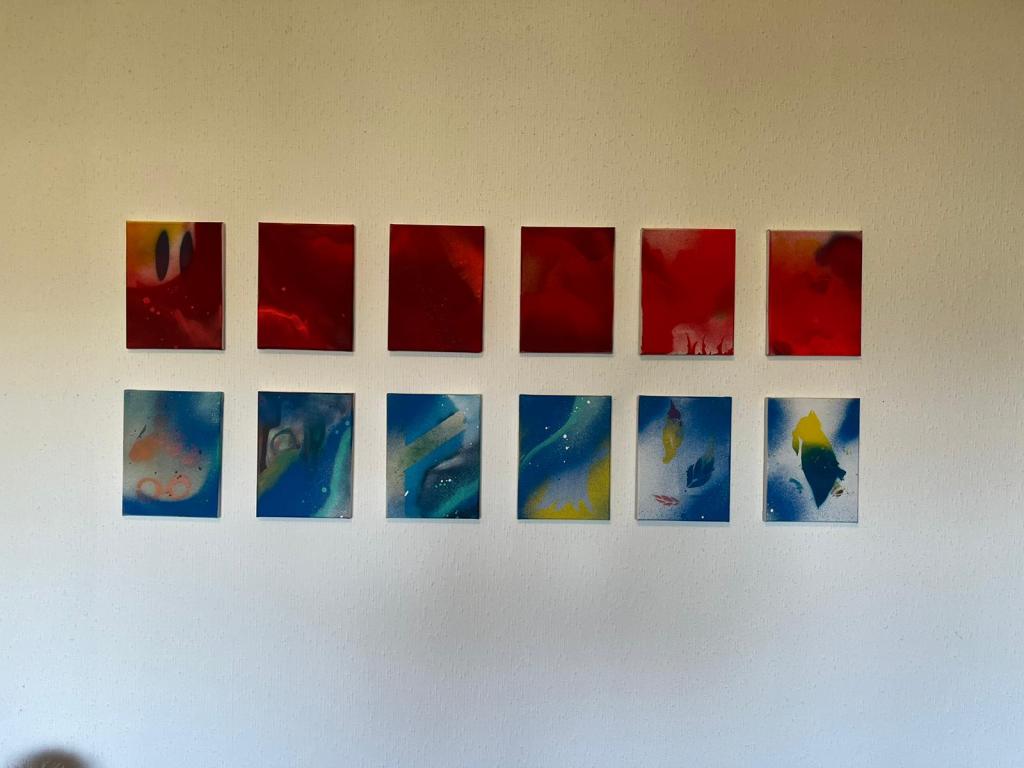
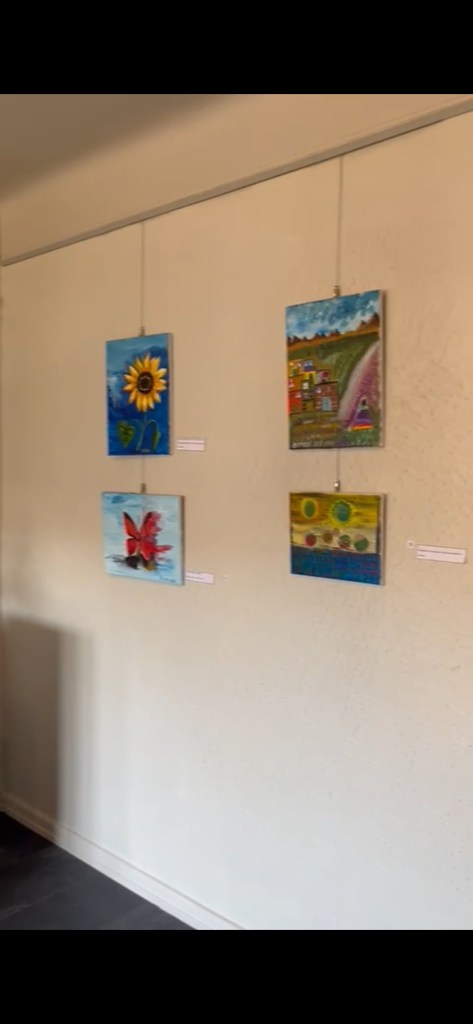
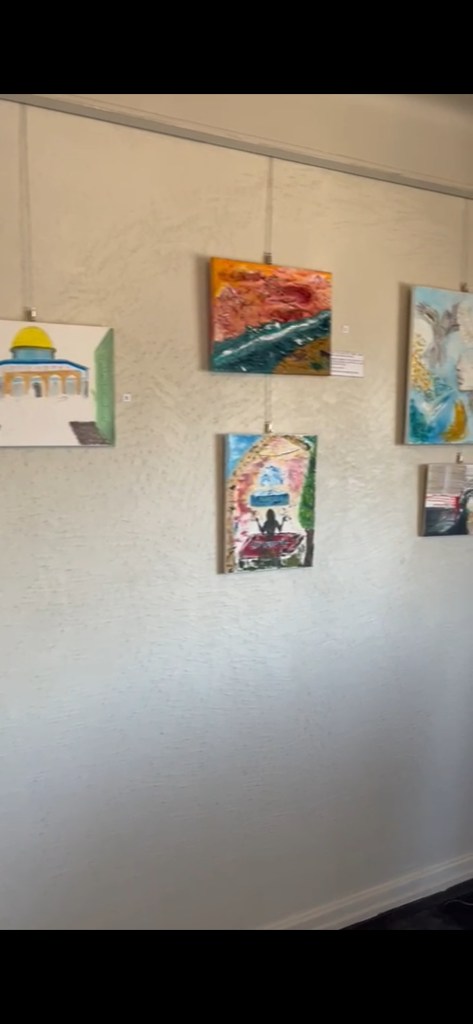
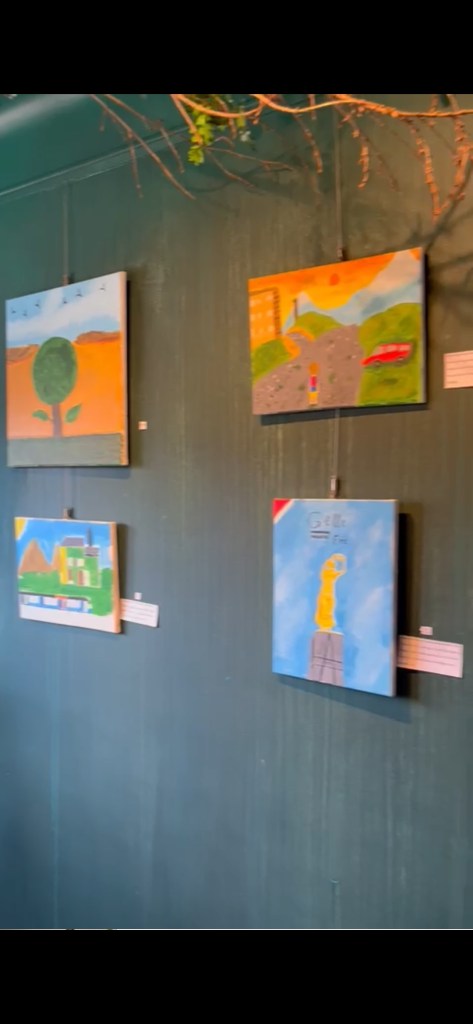
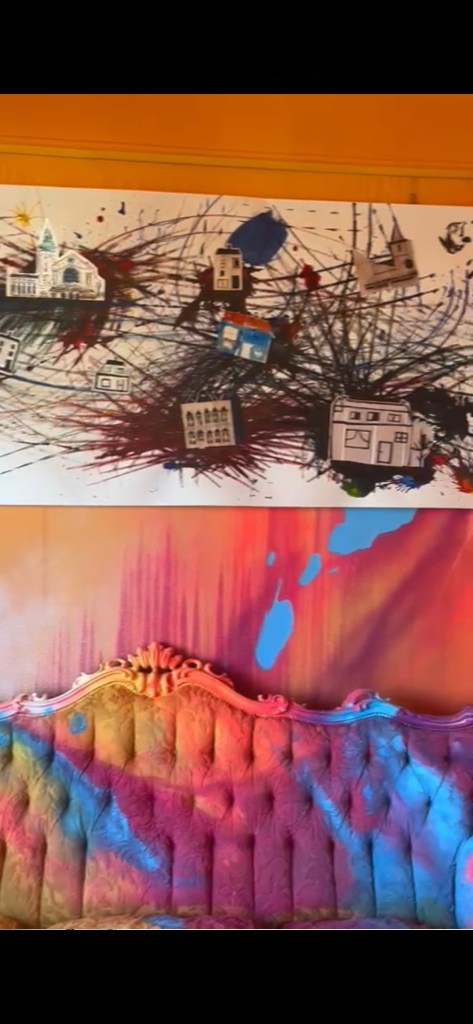
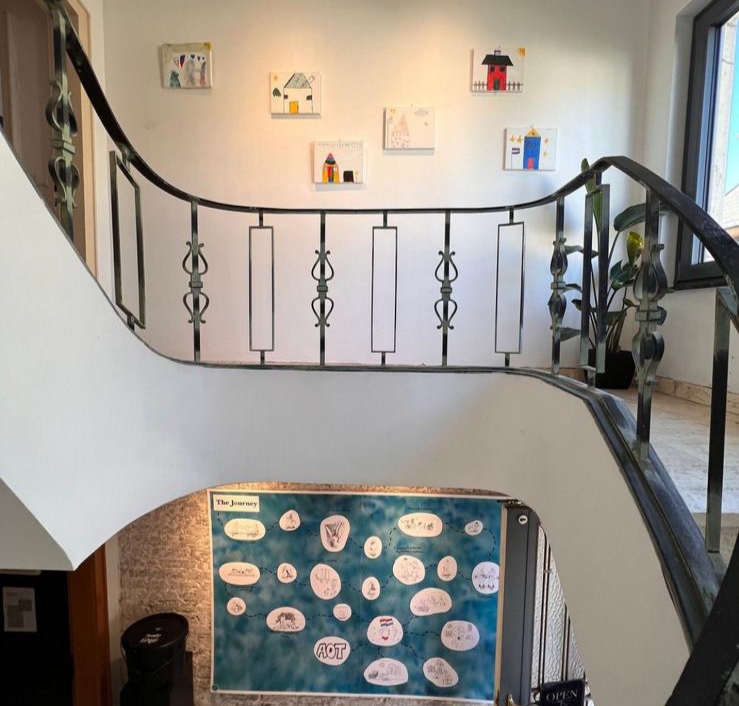
Arts in their multifarious states allow us not only to celebrate our cultural diversity but to learn and better understand our motivations, anxieties, aspirations, and history.

 The Art of Joss Lopez